The 2026–27 CBSE session brings syllabus and textbook updates that affect Class 9 and 10 students. These changes are part of a broader National Curriculum Framework (NCF) rollout that began with Classes 6 and 7 in 2024–25 and is progressively extending to higher classes. For students in Dwarka starting Class 9 or 10 this April, here is what matters and what to verify.
The NCF Textbook Rollout: What It Means
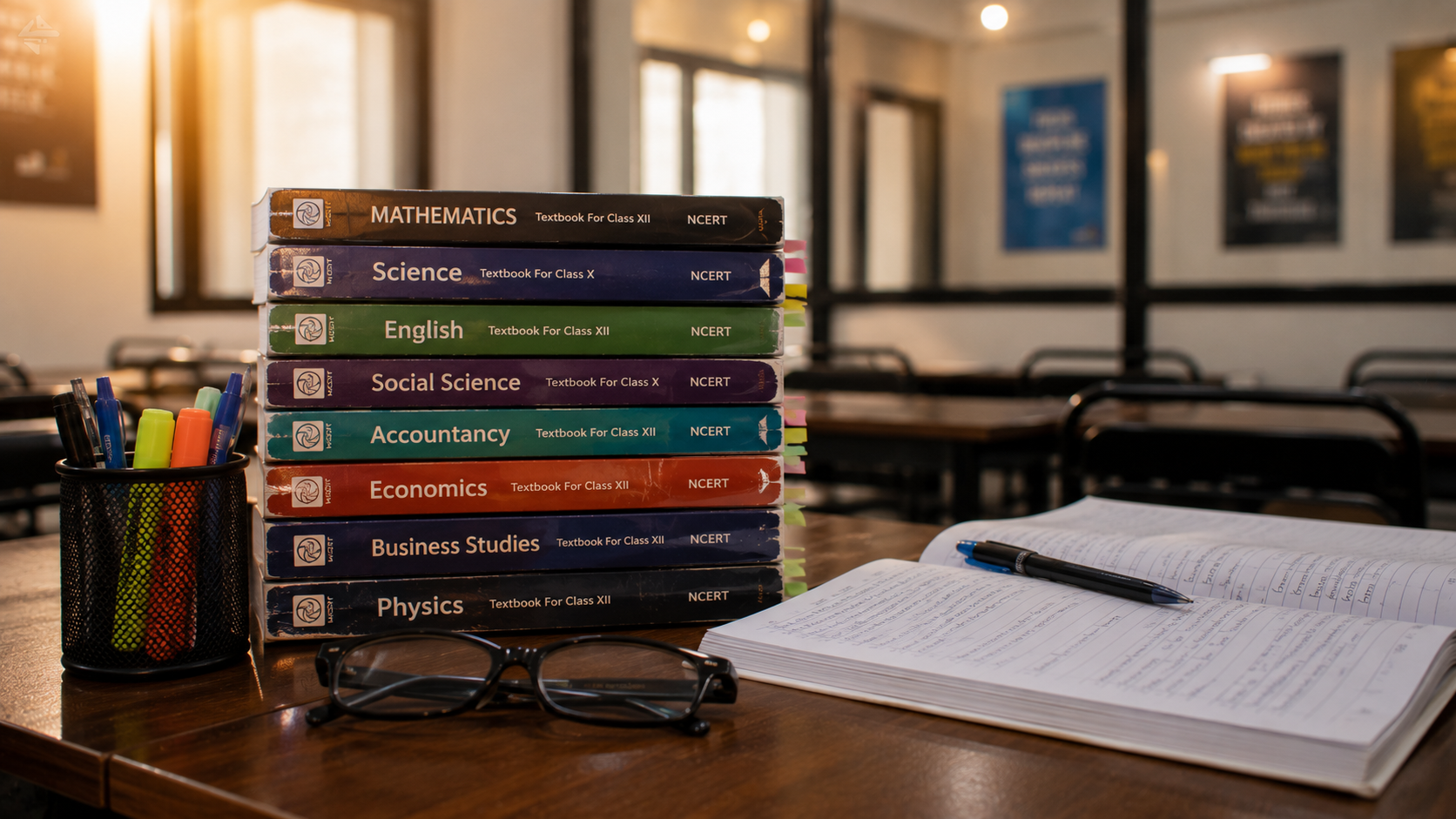
NCERT began introducing new textbooks designed around the National Curriculum Framework for School Education (NCF-SE) starting with Classes 6 and 7 in 2024–25. The new textbooks differ from the existing ones in structure and approach:
- Activity-based and thematic approach: New NCERT books integrate topics across disciplines more than the previous textbooks. Instead of purely chapter-by-chapter fact coverage, new books include activities, investigations, and applied scenarios.
- Competency-based assessment alignment: The new curriculum design is intended to support competency-based questions in board exams — not just recall-based questions. CBSE's shift toward case-based and application questions in recent years aligns with this direction.
- Progressive rollout: Classes 6 and 7 received new textbooks first. Class 8 and eventually Class 9 and 10 will follow. In 2026–27, students should confirm with their school whether their class is using new-edition NCF-aligned textbooks or the still-current older NCERT editions.
The practical implication: students who purchase textbooks or study guides should confirm with their school which edition is prescribed for the current session before buying materials. Using the wrong edition means studying content that may not match the current year's examination.
What Class 9 and 10 Students Should Verify in April
At the start of the 2026–27 session, here is the checklist for Class 9 and 10 Dwarka students:
- Confirm which NCERT textbook editions are prescribed for each subject. Ask your school subject teacher directly — which edition (year) is the prescribed NCERT textbook for this session? This is especially important for Science and Social Studies, where the NCF rollout has introduced the most changes.
- Download the 2026–27 CBSE curriculum document for your class. The official curriculum document (available from your school or from CBSE) lists the chapters in scope for each subject. Some chapters from older NCERT editions have been deleted from the examination scope; studying deleted chapters wastes preparation time.
- Check whether the board exam question paper format has changed. CBSE has progressively increased the proportion of competency-based questions (case-study format, application questions) versus recall questions. The exact proportions for 2026–27 board exams should be confirmed from the CBSE sample papers released at the start of the session.
- Verify internal assessment structure with your school. (See our separate article on CBSE Internal Assessment Changes 2026–27 for detailed guidance.)
What Competency-Based Questions Mean for Preparation
One of the consistent directions in CBSE examination reform is an increase in competency-based questions. For Class 9 and 10 students, this means:
More case-study questions
Science and Social Studies papers increasingly include passages or scenarios from which 3–4 related questions are asked. Students who can read a passage, identify the underlying concept, and apply their knowledge tend to do well. Students who have only memorised textbook definitions without understanding how they apply often struggle with these formats.
Source-based questions in Social Studies
Class 10 History and Geography papers include source-based questions — an image, map, document, or data table from which questions are asked. These require the ability to interpret and analyse, not just recall. Students who practice past year source-based questions develop the pattern recognition needed to approach these confidently.
Application questions in Maths
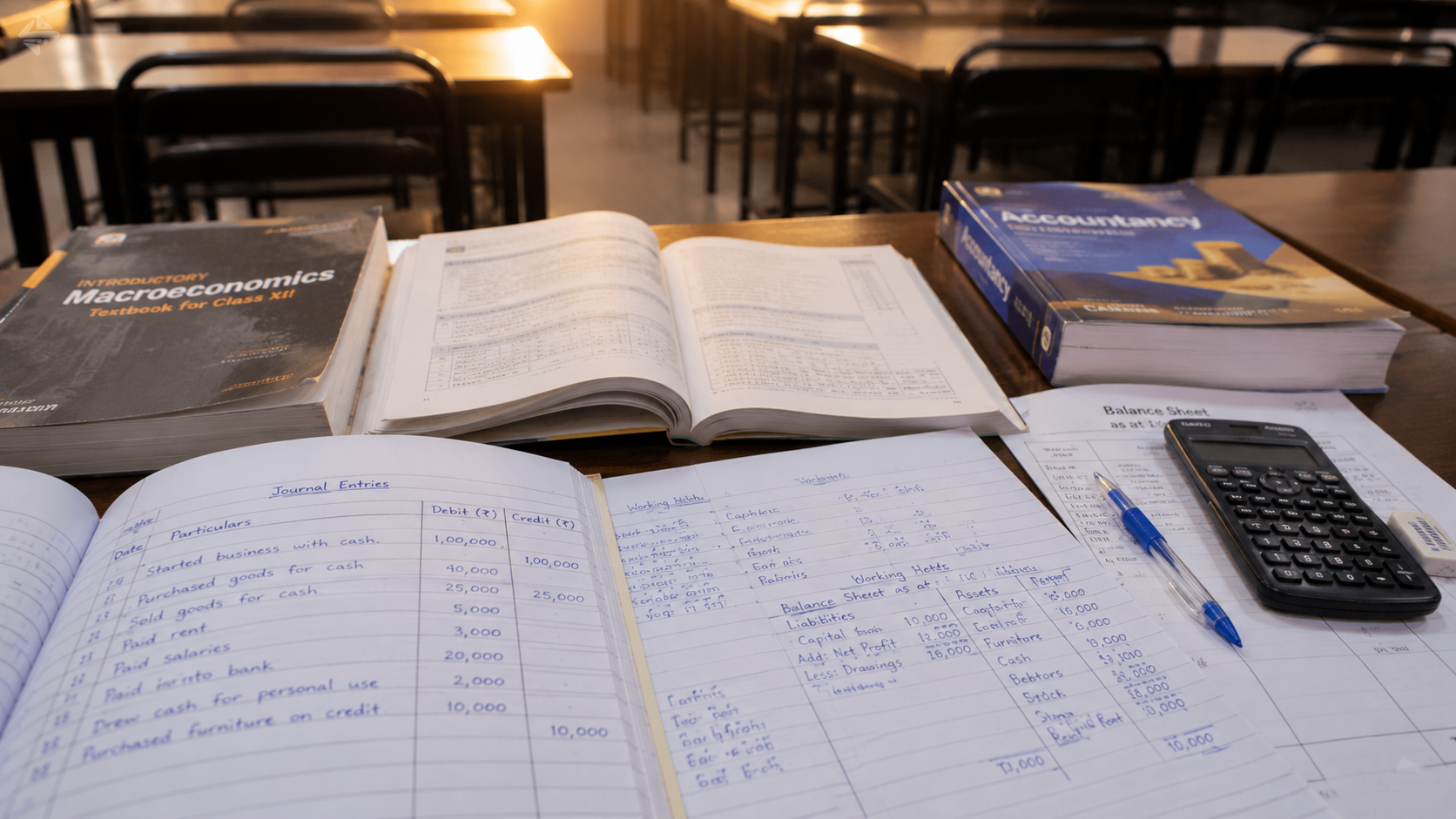
CBSE Class 10 Maths has increased the proportion of word problems that require applying Maths to realistic scenarios. Real number applications, geometry in context, statistics interpretation — all of these require conceptual understanding beyond formula memorisation.
How Expert Tutorials Aligns to CBSE Syllabus Updates
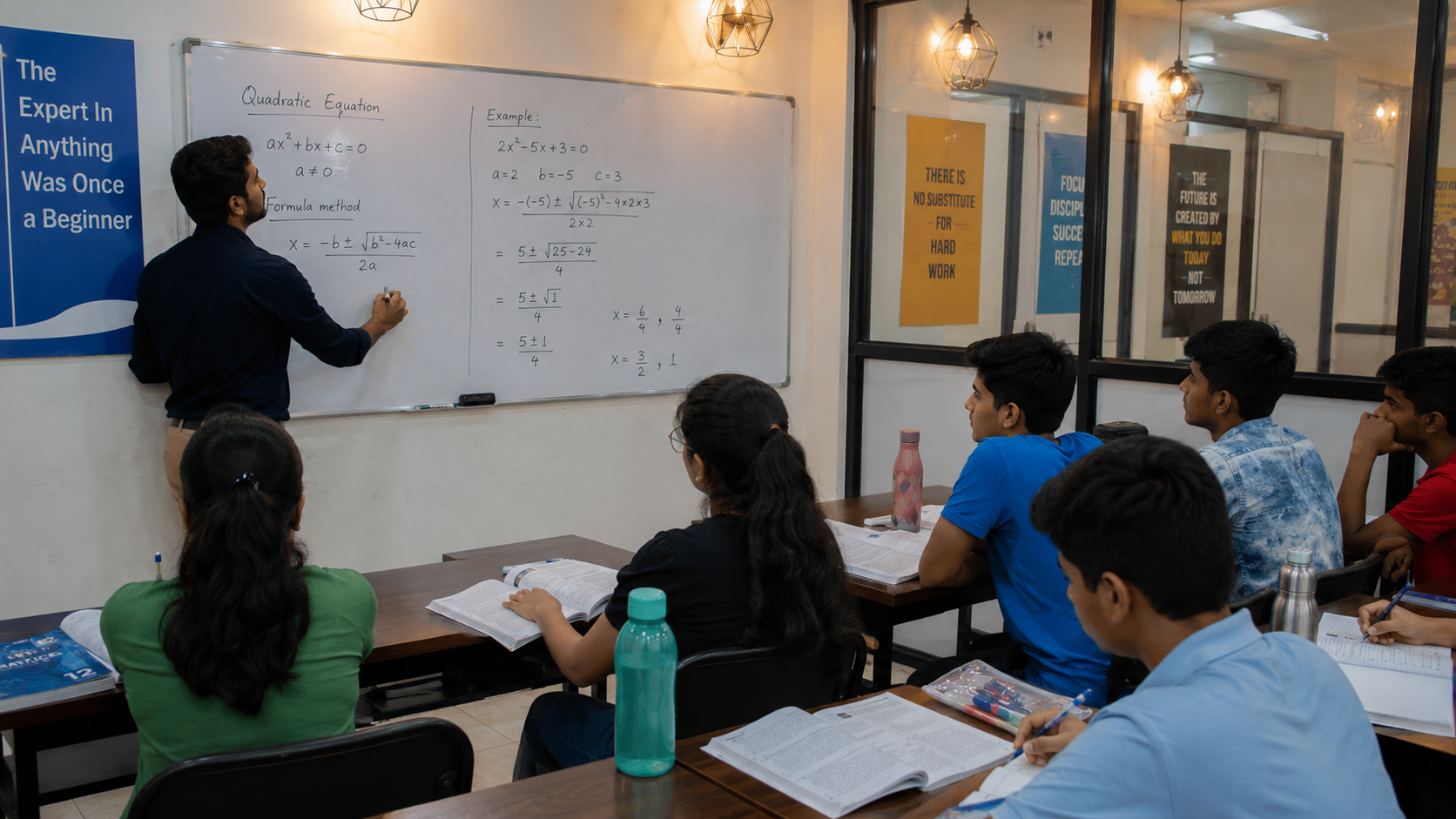
At Expert Tutorials, Sector 8 Dwarka, we update coaching materials and lesson plans at the start of each session to reflect the current CBSE syllabus. For Class 9 and 10 students:
- Lesson plans are based on the current CBSE curriculum document, not carried over from previous years.
- CBSE sample paper formats are introduced to students from the first periodic test cycle, so that students are familiar with the examination format early in the session.
- For Maths and Science, competency-based and application questions are incorporated into coaching from mid-term — not only introduced as "board practice" in the final months.
Frequently Asked Questions
Found this useful? Share it.