Every year, Class 10 students across Dwarka and Delhi sit for board exams having put in genuine effort — and still leave marks on the table because of avoidable errors. These are not failures of intelligence or effort. They are specific, repeatable mistakes that experienced teachers can name in advance. Here are ten of the most common.
Mistakes 1–3: How Students Approach Questions
Not reading the question fully. This is the single most costly mistake. Students read the opening words of a question and start writing. But many questions have two or three parts embedded in one sentence. An answer that addresses only part of the question cannot earn full marks, regardless of how well-written the response is.
Misidentifying question type. CBSE uses specific command words: "describe", "explain", "compare", "evaluate", "list". Each demands a different response format. "List three features" requires bullet points; "explain why" requires reasoning. Students who answer a "compare" question as if it were a "describe" question lose structure marks even when they know the content.
Not checking the mark allocation before answering. A 1-mark question requires one sentence. A 5-mark question requires a structured response. Students who write two paragraphs for a 1-mark question waste time they need elsewhere. The marks printed beside each question are an instruction.
Mistakes 4–6: Preparation Errors
Relying only on guess papers. Guess papers are predictions, not certainties. Students who only prepare the topics listed in guess papers leave themselves exposed when the actual paper diverges. CBSE examiners are aware of the guess paper circuit and regularly include questions from less commonly predicted areas.
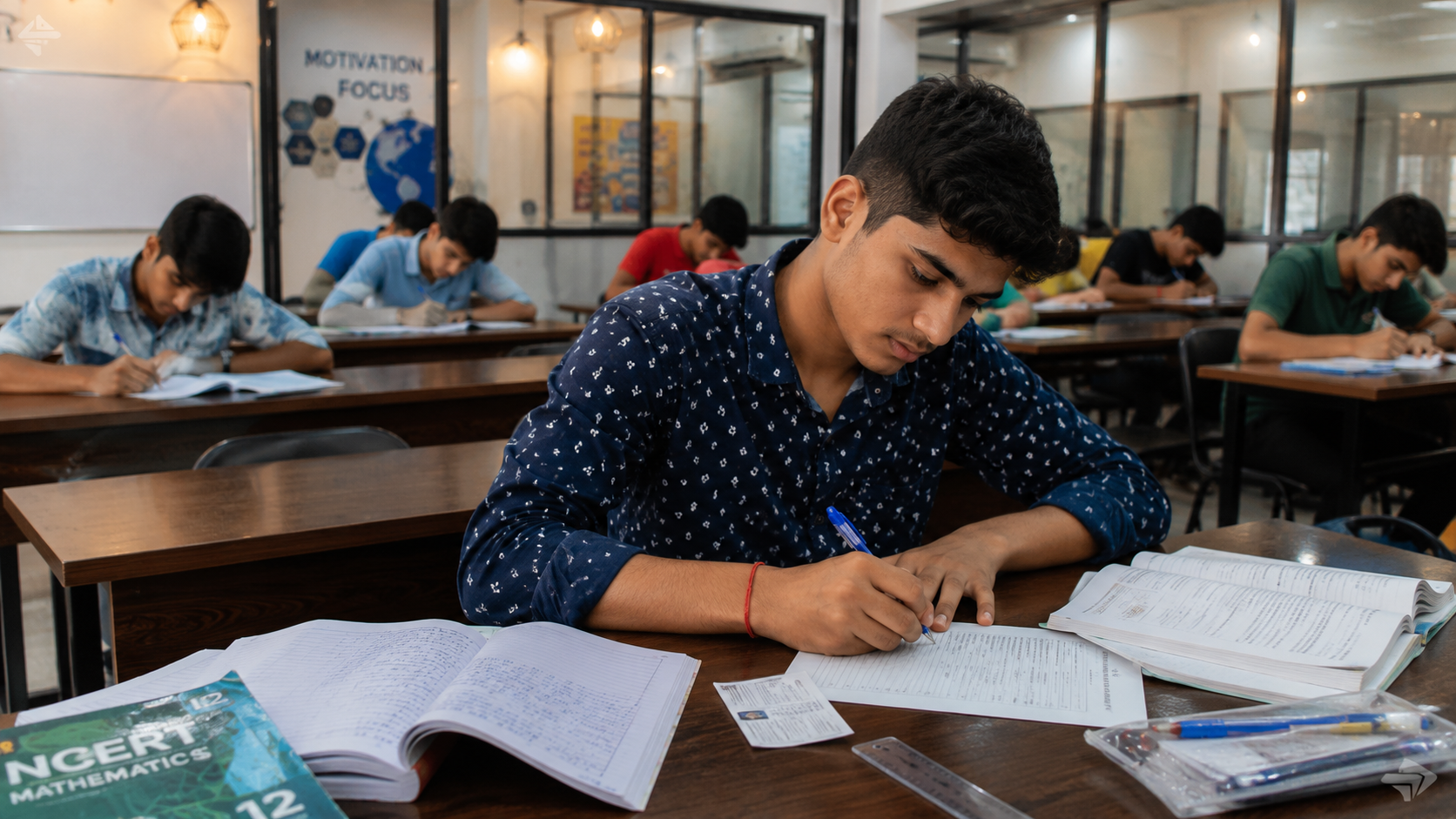
Not practising with timed conditions. Knowing an answer in your room and writing it clearly within a time constraint are two different skills. Students who have never sat for a timed mock exam often find themselves managing time poorly in the actual paper — spending too long on questions they know well and rushing through others.
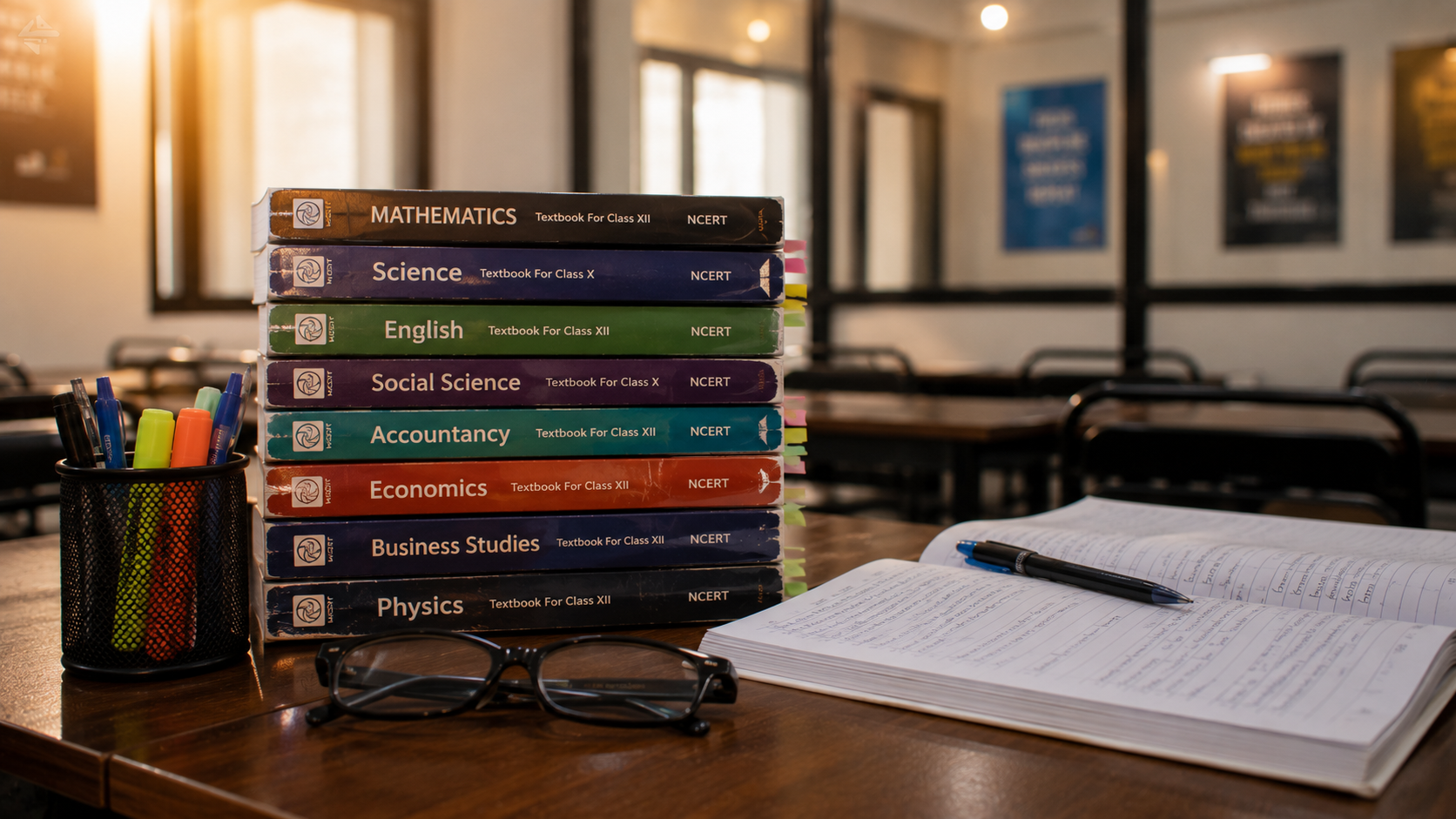
Skipping NCERT exercises. In every CBSE core subject at Class 10, questions from the board exam are either directly from NCERT exercises or closely modelled on them. Students who rely on guides and notes but have not actually solved every NCERT exercise are taking a significant risk.
Mistakes 7–9: Exam Hall Errors
Not attempting all questions. CBSE Class 10 has no negative marking. Every unattempted question is a guaranteed zero. Even a partially correct attempt can earn step marks. Students who leave questions blank because they are unsure are making a mathematical error, not a careful decision.
Poor presentation. Board answer sheets are evaluated by examiners who read hundreds of papers. Clear handwriting, proper spacing between answers, labelled diagrams, and structured paragraphs communicate competence. A correct answer buried in a wall of text without headings or clear structure will not earn its full marks as reliably as the same answer written clearly.
Inefficient time management. Students often spend disproportionate time on questions they find interesting or know well, then rush through the rest. A balanced approach — giving each question time proportional to its marks — requires practice. This is another reason timed mock exams under board conditions are essential preparation.
Mistake 10: No Revision Strategy
Many students prepare chapter by chapter up to a week before the exam, then have no structured revision plan. The brain retains information better with spaced repetition — revisiting material at intervals. Students who have studied a chapter in October and not returned to it before March have likely forgotten a significant portion. A revision schedule that revisits each chapter at least twice after first study is not optional; it is part of the preparation plan.
Frequently Asked Questions
Found this useful? Share it.