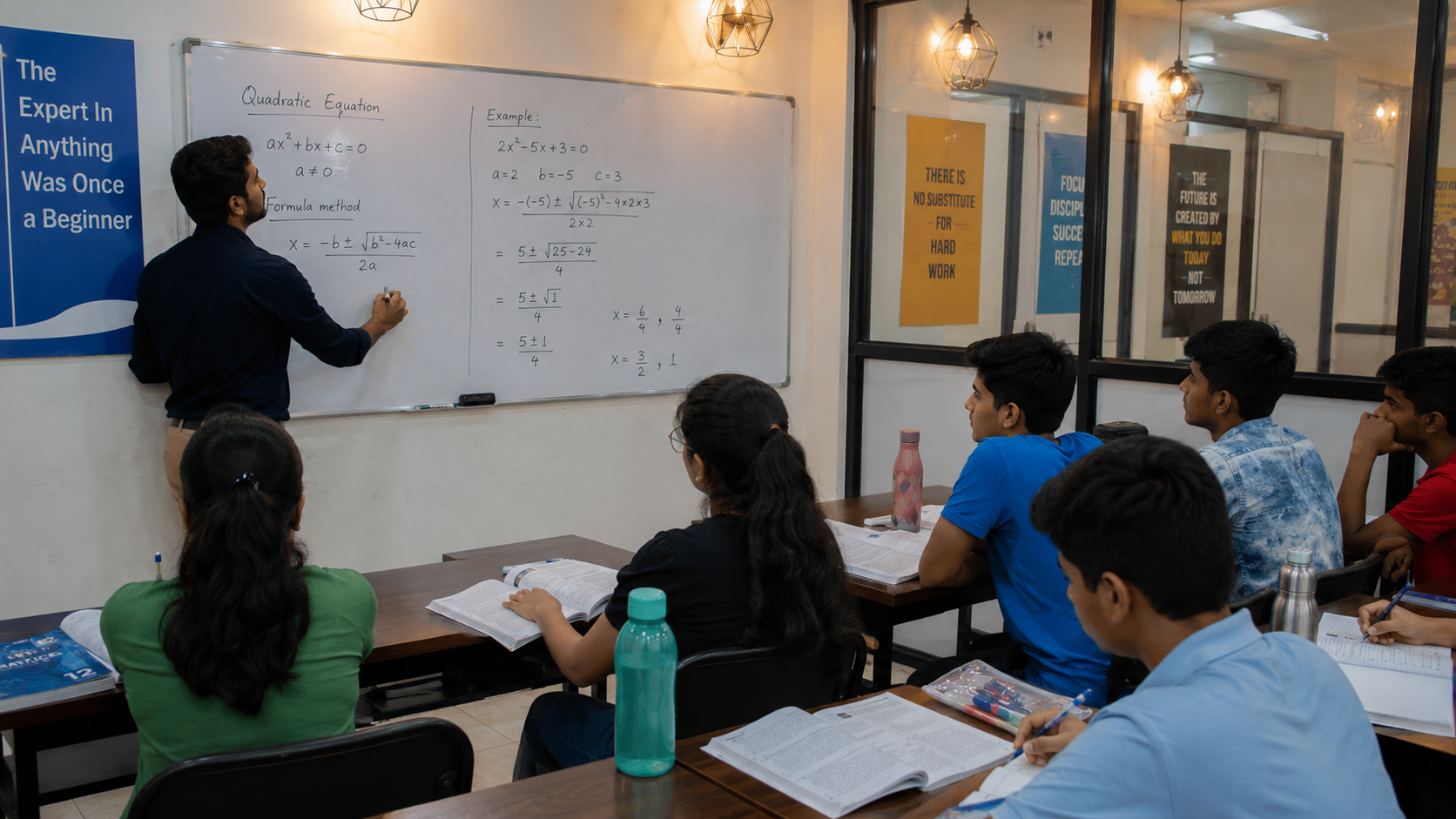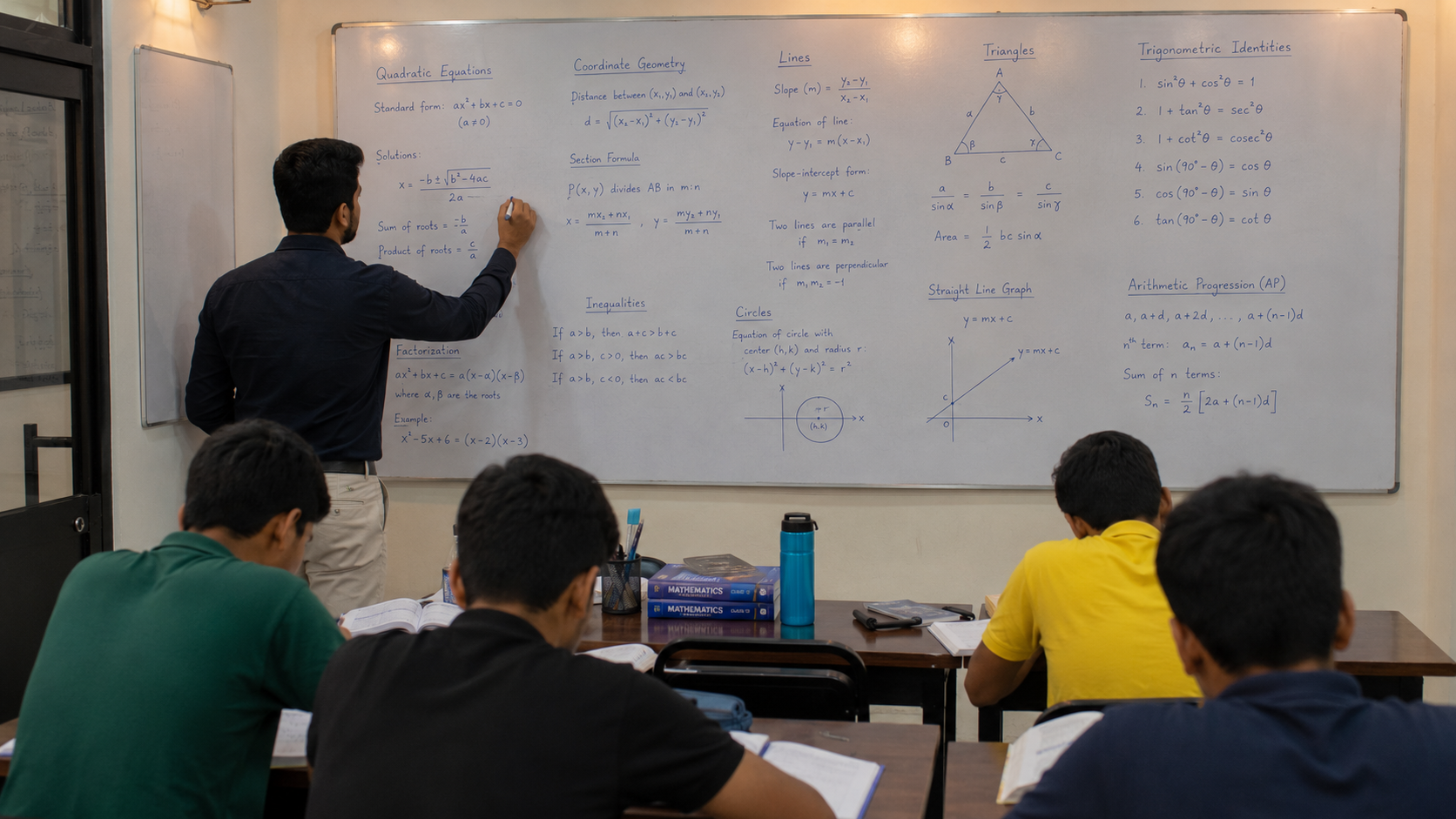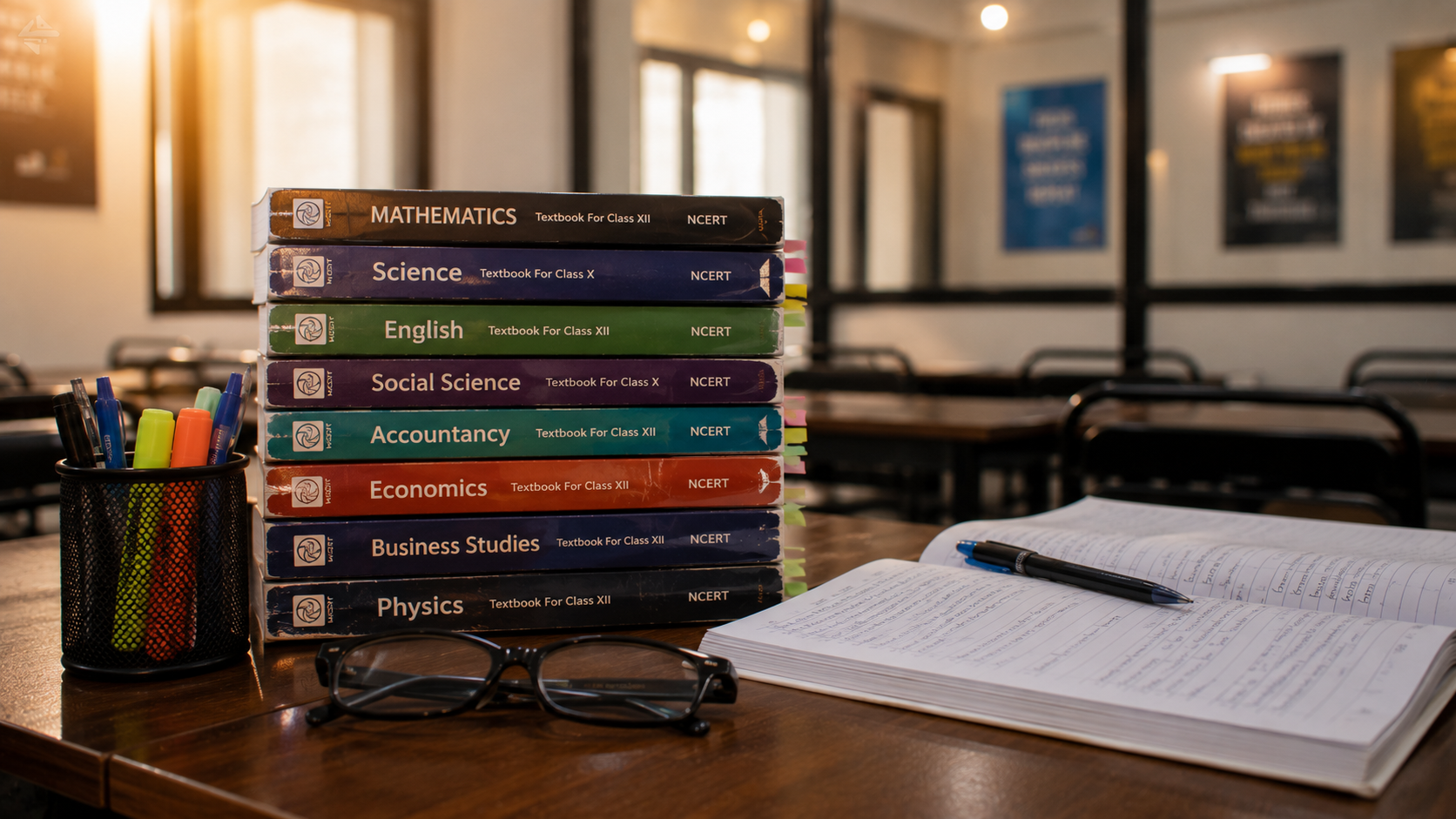
The most common mistake in Class 10 preparation is buying 4–5 books per subject and finishing none of them completely. NCERT done thoroughly — every exercise answered, every in-text question reviewed, every NCERT Exemplar problem attempted — is worth more than a partially completed R.D. Sharma and half-read Lakhmir Singh sitting on a shelf.
Why NCERT Must Always Come First
CBSE board question papers are designed using NCERT as the reference framework. The exact wording of questions, the examples used, and the concepts tested are all drawn from or directly based on NCERT content. The marking scheme for each board question has NCERT-based answers as the primary accepted response. This makes NCERT non-negotiable — it is the primary text, not a starting point to move away from quickly.
For Science and Social Science, a student who has read every NCERT chapter carefully, completed every in-text question, and practised past board questions has done almost everything needed. The demand for additional books is largely unnecessary for these subjects.
When Reference Books Actually Add Value
Reference books are useful in one specific situation: when a student needs more practice problems of varying difficulty, and has already completed NCERT exercises. For Mathematics, this is the most common valid use case. NCERT Maths exercises cover the required concepts, but for students targeting higher marks, NCERT Exemplar offers harder problems, and R.D. Sharma offers a larger volume of practice at various difficulty levels.
For Science, the NCERT Exemplar is the single most useful supplement — it is published by NCERT itself and contains application-based questions that test understanding rather than rote recall. The Lakhmir Singh and Manjit Kaur series is another popular choice that closely mirrors CBSE patterns.
Subject-by-Subject Guidance
Mathematics
NCERT + NCERT Exemplar covers the syllabus completely. R.D. Sharma is a useful supplement for extra practice once NCERT is complete. Do not start R.D. Sharma before NCERT is finished — it is a supplement, not a replacement.
Science
NCERT is sufficient for boards. NCERT Exemplar adds application-level practice. Lakhmir Singh is a popular optional supplement. S.L. Arora is not needed for Class 10 — it is targeted at Class 11–12.
Social Science
NCERT is the only book needed. The CBSE marking scheme explicitly uses NCERT answers. Supplementary books for SST are useful only for extra MCQ practice — a past papers collection serves this better than a guide book.
English and Hindi
NCERT textbooks and supplementary readers are the only materials needed. Grammar is best practised through CBSE sample paper grammar sections and past board papers.
The Real Problem Is Not Which Book
The debate about NCERT vs reference books is often a distraction from the actual problem: incomplete coverage of whatever book the student is using. Buying R.D. Sharma does not make a student prepared for Maths; doing 80% of its exercises does. The same applies to NCERT — reading it passively without writing answers is preparation theatre, not preparation.
Frequently Asked Questions
Found this useful? Share it.