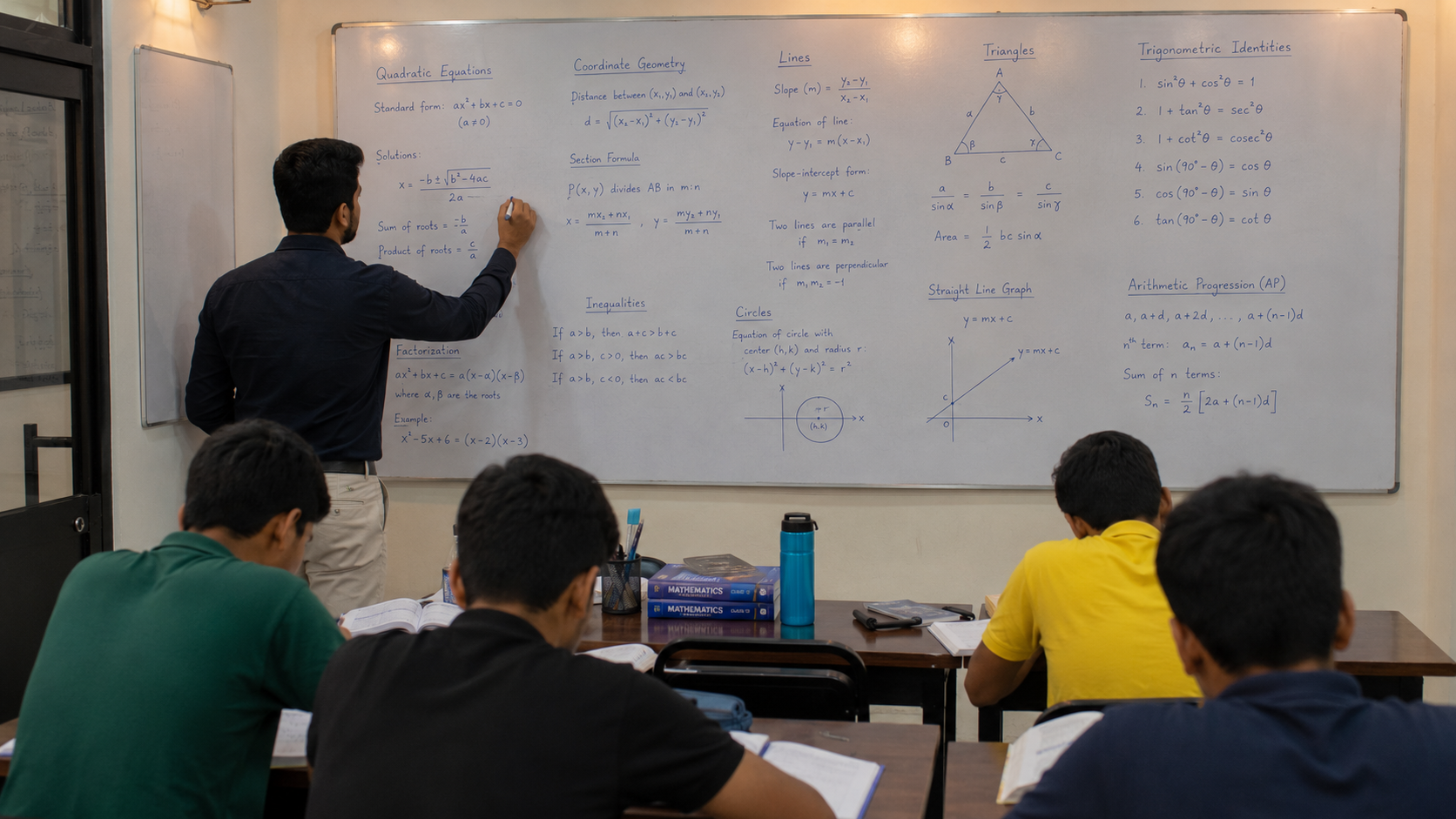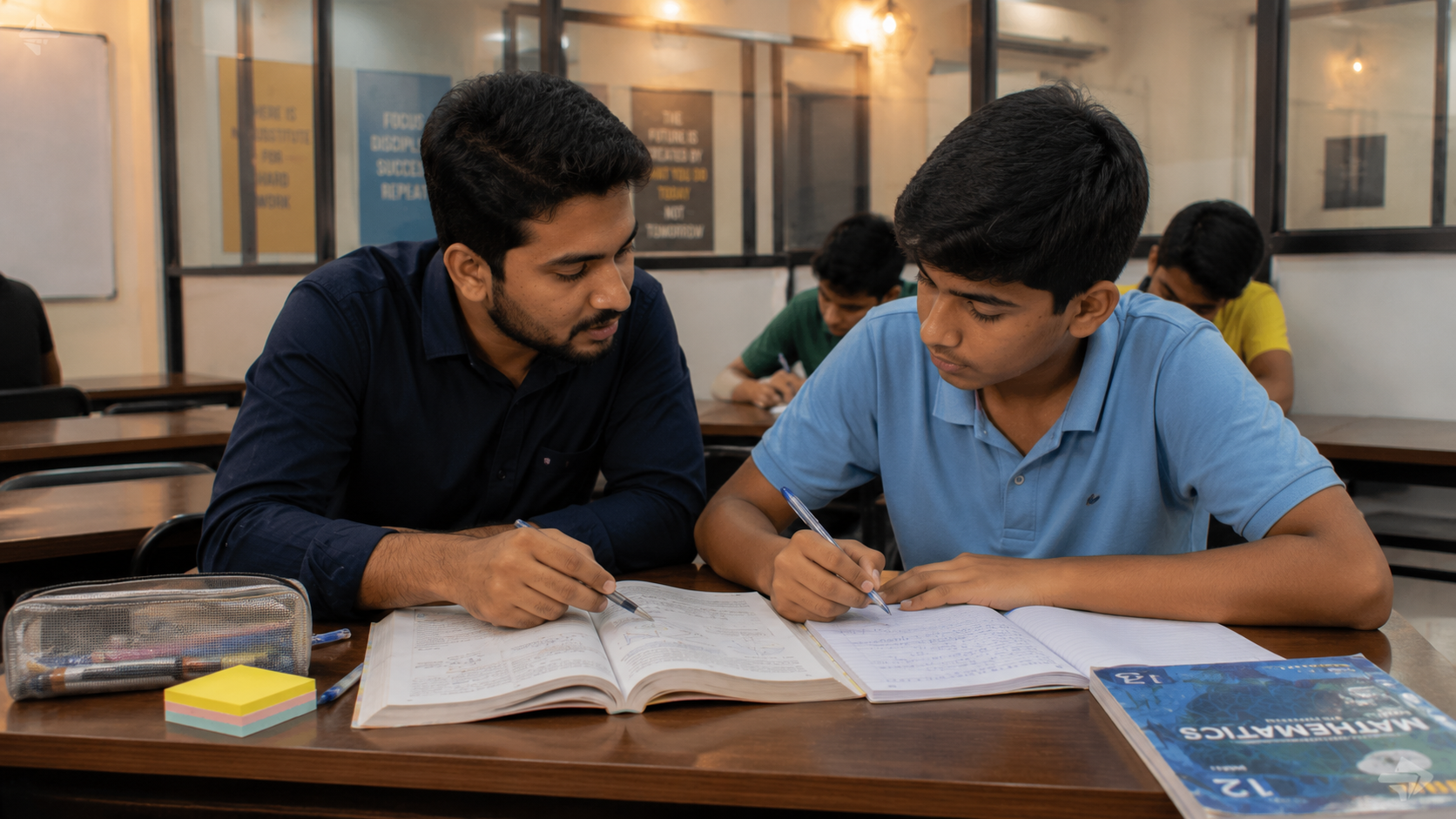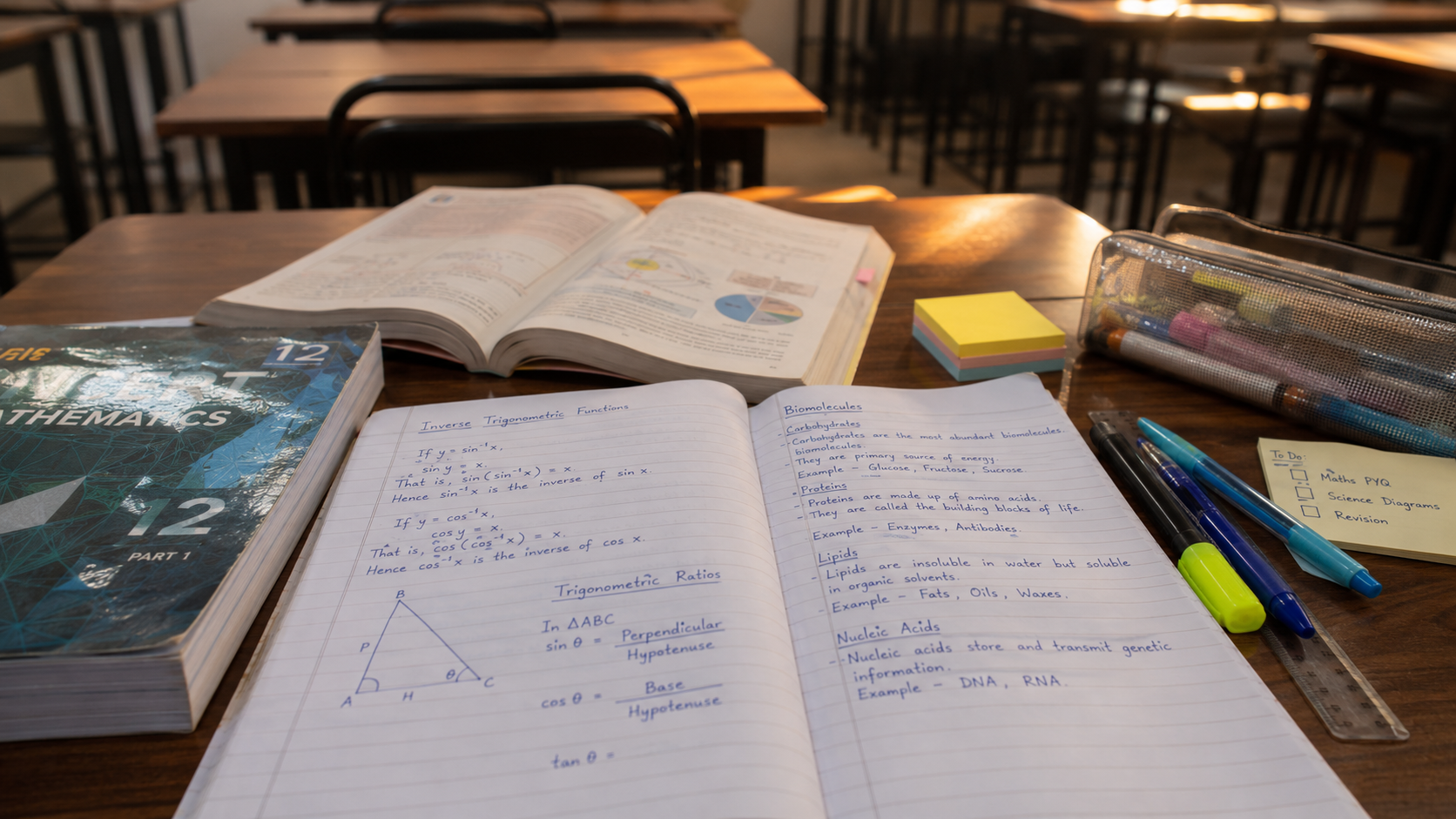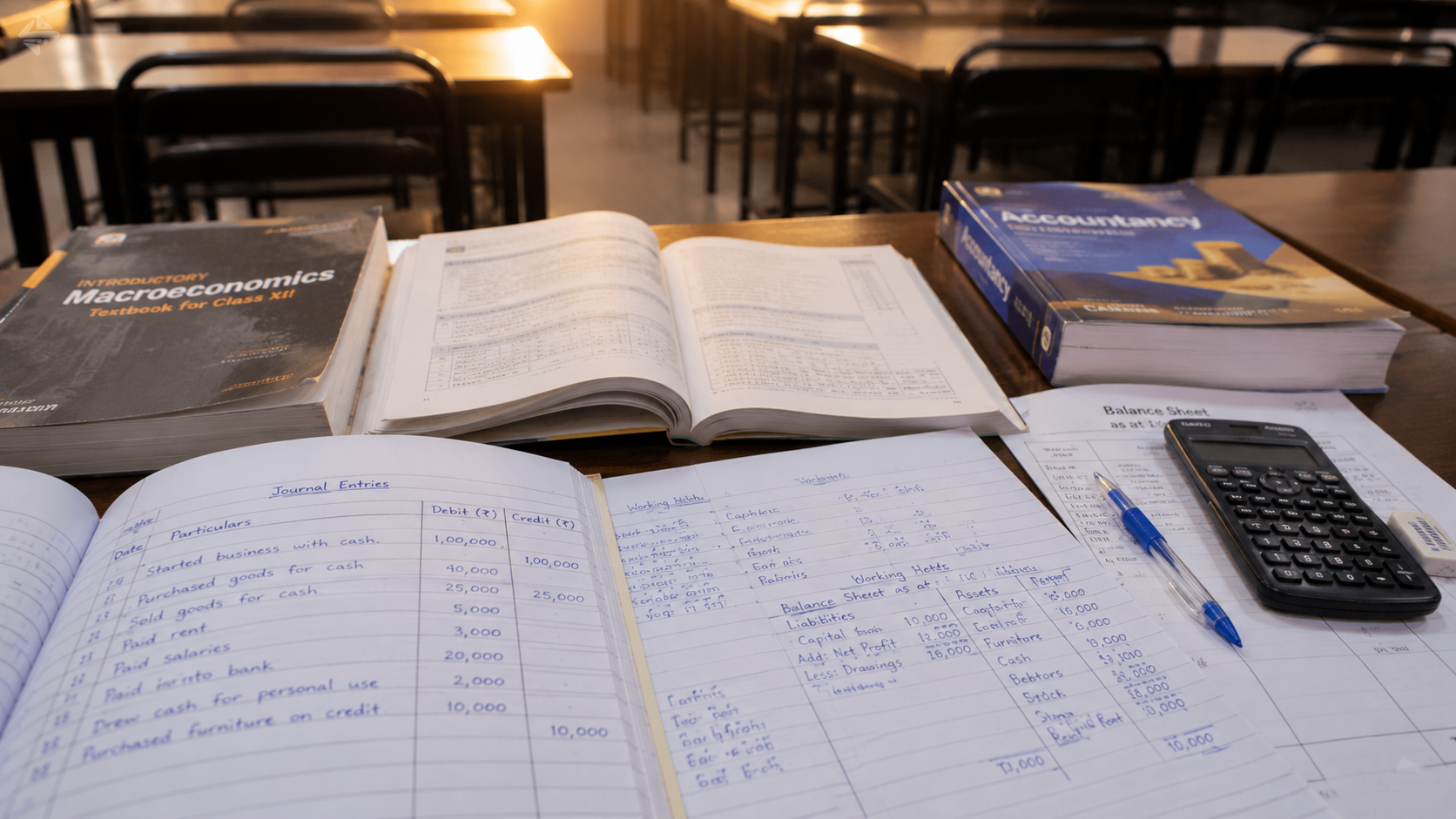
One of the most common choices parents in Dwarka face is between a smaller coaching setup — typically 8 to 15 students per batch — and a larger coaching centre, often 25 to 40 students or more. Each model has genuine advantages and real limitations. Here is an honest comparison that puts your child's learning outcomes first.
What Large Coaching Centres Offer
Large coaching centres typically come with certain institutional advantages: more structured administration, printed study materials and notes packages, a library of past papers and resources, multiple teachers specialised in different subjects, and a more competitive classroom environment that some students find motivating. Fees are often more economical per subject because operational costs are distributed across more students.
The atmosphere of a large coaching centre can also be psychologically motivating — seeing many other students studying hard creates a sense of common purpose and competitive energy. For self-directed students who already understand concepts well and are primarily looking for structured practice and competitive exposure, large centres can work reasonably well.
The Structural Limitation of Large Batches
The fundamental limitation of large batches is mathematical. If a teacher has 35 students in a class that meets for 90 minutes, they have approximately 2.5 minutes per student for individual interaction in the entire session. This is not enough for any meaningful individual assessment of understanding.
CBSE subjects — particularly Mathematics and Science at Classes 9 to 12 — require the teacher to identify which specific concepts each student has or has not understood. This identification is impossible in large batches. Students who are confused in a large batch typically stay confused because there is no mechanism for the teacher to detect and address individual misunderstanding.
What Small Batch Coaching Offers
In a batch of 10 to 15 students, a teacher can notice when a particular student's face shows confusion, can ask them directly whether they understood, and can immediately re-explain from a different angle. This real-time adjustment of teaching pace and method to individual student need is the core advantage of small batch coaching.
Students in small batches are also more likely to ask questions — there is less social risk in a group of 10 than in a group of 40. Questions asked and answered create genuine understanding. Questions not asked — because the student is too shy or lost in a large crowd — create persistent confusion that compounds over the year.
The Evidence on Class Size
Educational research consistently shows that class size reductions below 15 produce statistically significant improvements in student learning outcomes. The effect is strongest for students who start with weaker performance — exactly the students who most need coaching support. Smaller classes allow teachers to spend more time with students who need more help, while larger classes tend to favour students who already understand and are comfortable engaging publicly.
In the Dwarka context, where students travel from Sectors 7 to 12, Palam, Raj Nagar, and surrounding areas, the quality of teaching they receive matters far more than the distance to the centre. A 20-minute commute to a genuinely small-batch institute consistently outperforms a 5-minute walk to a large, overcrowded one.
Our Recommendation for Dwarka Parents
For the vast majority of students who need CBSE coaching — whether to improve from 60% to 80% or to push from 80% further — small batch coaching with a maximum of 15 students per teacher delivers genuinely better outcomes than large coaching centres. The slightly higher per-student cost of small batch coaching is more than offset by the higher academic return.
When evaluating any coaching centre in Dwarka — whether in Sector 8, Sector 9, Sector 10, or Raj Nagar — always ask: what is your maximum batch size? If the answer is above 15, probe further. If the answer is above 25, walk away.
Frequently Asked Questions
Found this useful? Share it.