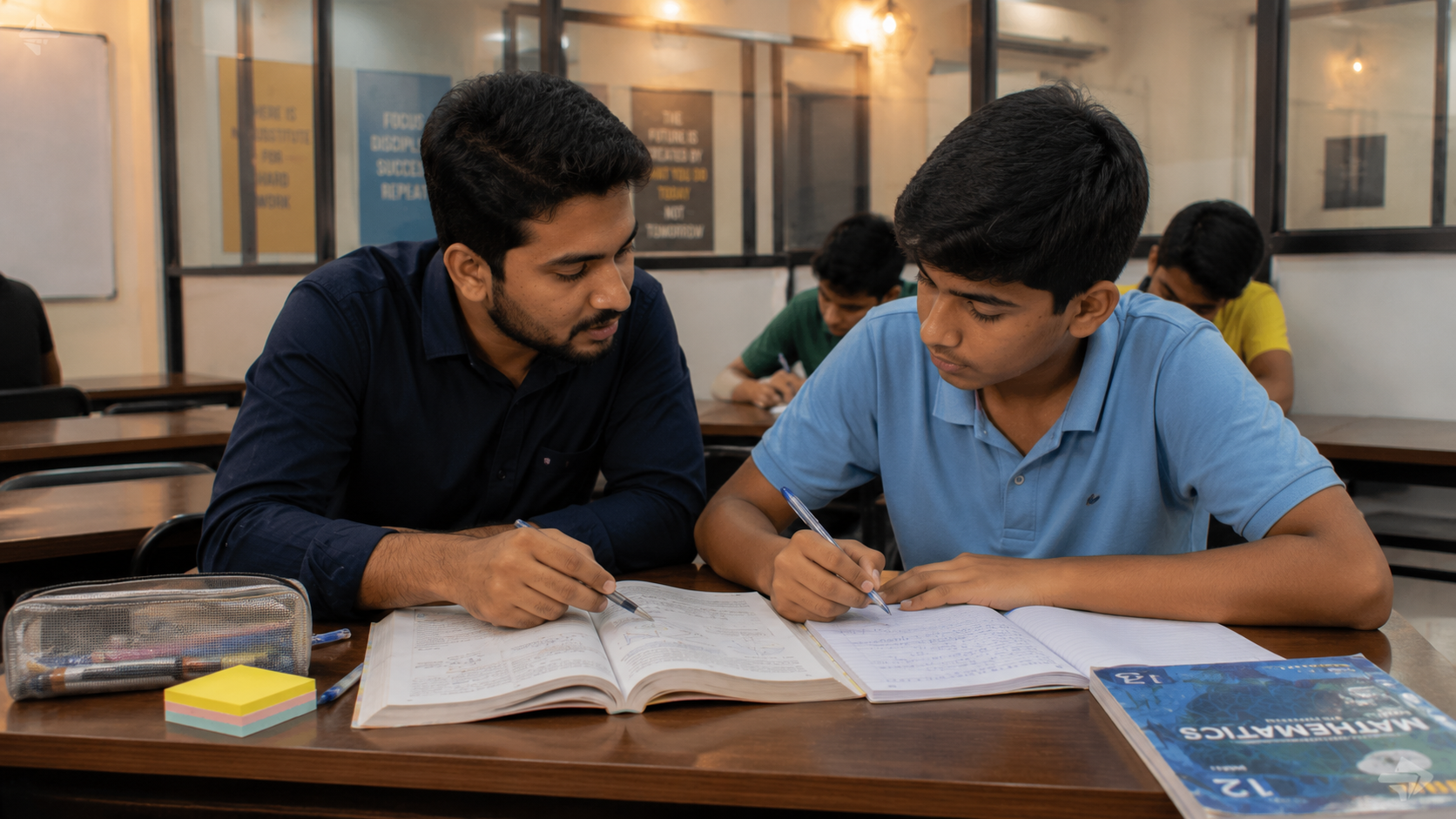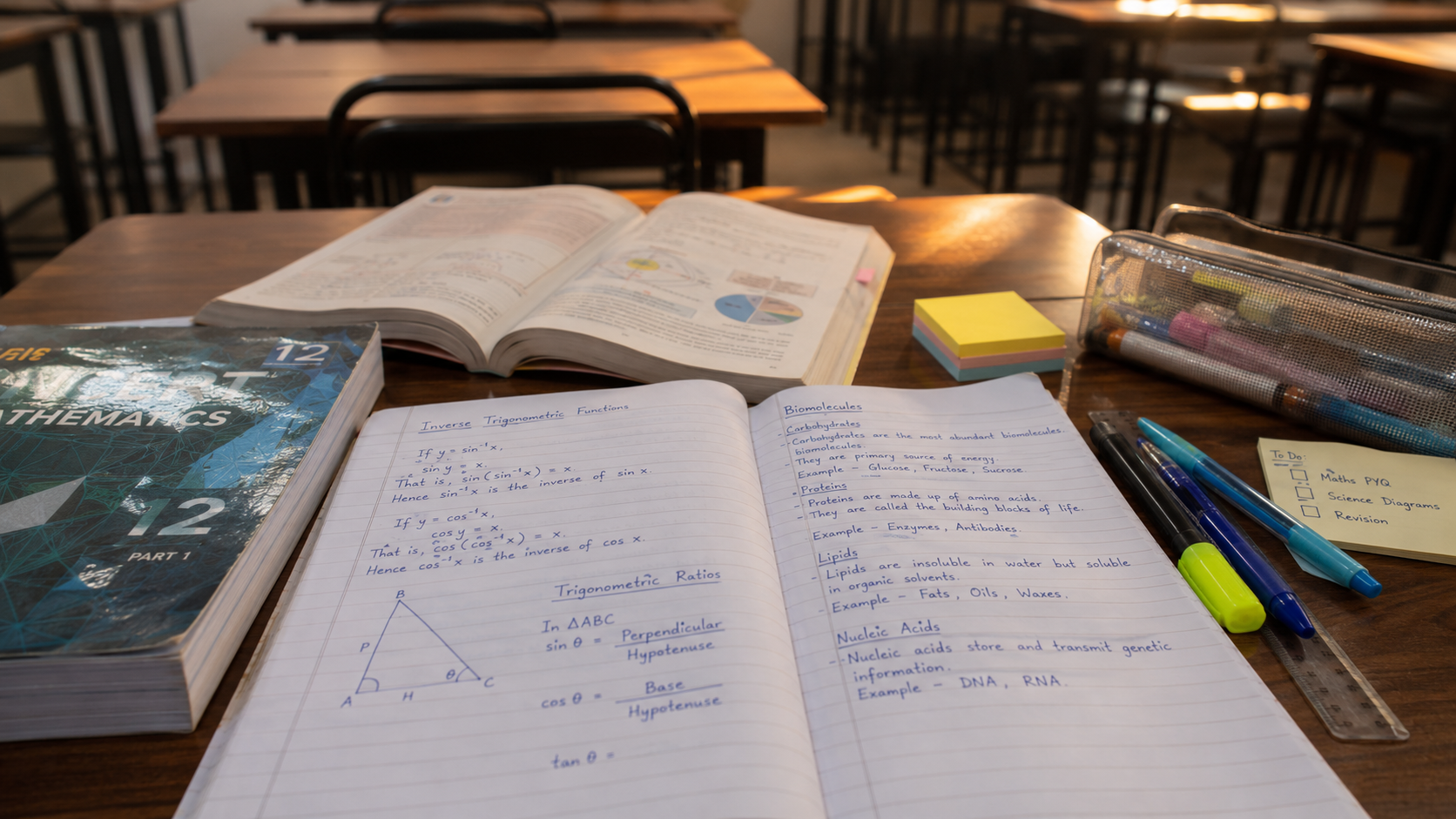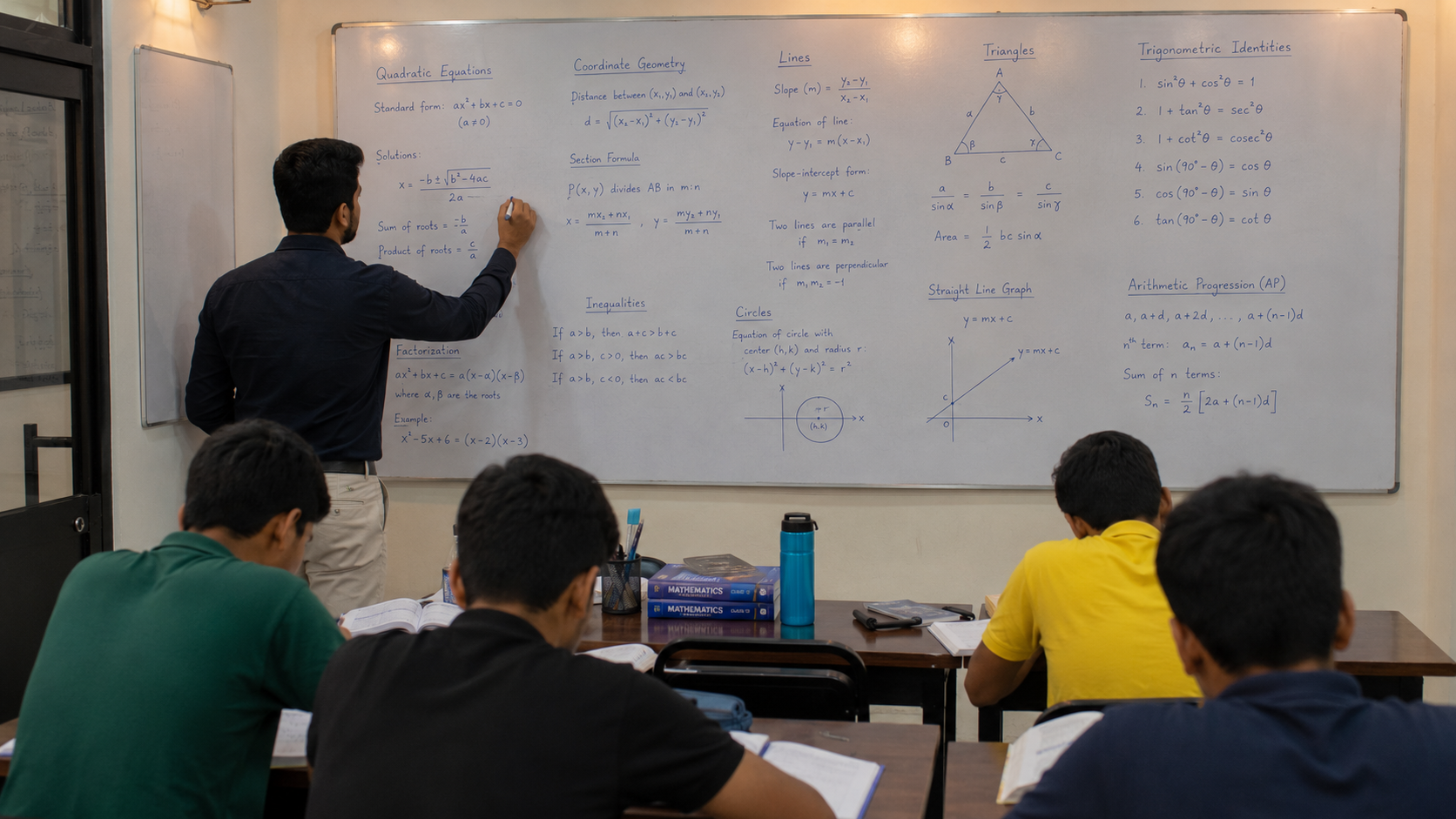
A Class 9 or 10 student in Dwarka typically spends 6–7 hours at school, travels to and from tuition, and is expected to sit down for 2–3 hours of self-study in the evening. This is a significant cognitive load. The students who manage it well are not necessarily the most talented — they have learned to manage the transition from school to home to study mode.
Managing the School-to-Study Transition
The first 30–45 minutes after returning from school are the most important to manage correctly. Eating, changing clothes, and sitting quietly for 15–20 minutes resets the brain from classroom mode to home mode. What does NOT help: immediately opening social media or YouTube. The dopamine hit from scrolling makes the transition to focused study far harder — it raises the activation energy required to start studying.
The cleanest transition protocol: eat → 15-minute rest (no phone) → change clothes → begin study or leave for tuition. Students who build this as a habit report that starting study feels less effortful because the trigger is automatic.
Making Study Sessions Actually Focused
A 2-hour study session where the student is mentally present is worth far more than a 4-hour session of passive page-turning. The two biggest focus killers are the phone and an uncomfortable study environment. Phone distance — not just phone silence, but physically placing the phone in another room — has a measurable impact on concentration. A dedicated study spot (not the bed, not in front of the TV) creates an environmental cue that helps the brain shift into focus mode faster.
Short, defined sessions work better than open-ended study blocks. A 50-minute session followed by a 10-minute break is more sustainable than 3 continuous hours. During the break, stand up, walk around, drink water — avoid the phone, because it resets the focus cycle and makes the next 50-minute block harder to start.
What to Study at Different Times of the Evening
The brain handles different types of learning better at different energy levels. Immediately after school — or immediately after tuition — the brain is better suited to lighter tasks: reviewing class notes, reading a chapter introduction, or reorganising written notes. Heavier cognitive tasks — solving mathematics problems, writing answers for practice, doing timed question sets — are better done in the 7:30–10pm window when a student who manages the transition well is refreshed.
Language revision (vocabulary, grammar, reading comprehension) is well-suited for the last 20–30 minutes before sleep, when the brain consolidates language patterns overnight. Social Science reading also fits here, particularly for chapters with a lot of factual content.
Why Consistency Beats Intensity for CBSE
A student who studies 2 focused hours every day covers 60 hours of preparation in a month. A student who studies in bursts — doing nothing for a week, then 8 hours one day — struggles to retain material across the inconsistent gaps. CBSE board exams test retention across an entire academic year. The preparation that works for boards is the preparation that was consistent from April to February, not a last-minute intensive sprint.
Frequently Asked Questions
Found this useful? Share it.